Mold Inspection and Testing for Your Home
Not sure if that stain is mold? Start with an inspection. A local provider looks at your home, finds the moisture, and tells you what is growing and how far it has spread. Testing is one tool they may use. It is not always needed.
Laughtribute Mold Help is a referral service. We do not inspect or test anything ourselves. We connect homeowners in the Ypsilanti area with independent providers in our network who do. You can compare options, ask for a written quote, and decide what comes next. Then comes the part many people skip: fixing the moisture so mold does not return. Dry is the goal.
Think You Have Mold? Start Here
Get an inspection. That is the short answer. A visible stain or a musty smell is a good reason to have a local provider take a look.
Do not scrub it, bleach it, or tear out drywall first. Stirring it up can spread spores. It can also hide the clues an inspector needs.
Request a callback to check provider availability. Many providers can respond quickly when you describe what you see.
Signs It Is Time to Call
Some signs are loud. Others are quiet. Look for these:
- A musty or earthy smell that stays in one room
- Dark, fuzzy, or speckled patches on walls, ceilings, or wood
- Peeling paint or bubbling drywall
- Water stains after a leak, a storm, or spring flooding
- Stuffy air that gets worse when the basement door is shut
If you are searching for a mold inspection near me, any one of these is enough to start.
When an Inspection Makes Sense
Some moments call for one right away. A recent leak or flood is the big one. So is a sump pump that failed. Buying or selling a home is another.
Also book one if family members have stuffy noses or coughs that ease when they leave the house. Mold is only one possible cause, but an inspection helps rule it in or out.
What Happens During a Mold Inspection
Expect a visit of an hour or two for an average home. The inspector starts by listening to your story. Where is the smell? When did the leak happen?
Then they walk the house. They check basements, attics, crawl spaces, bathrooms, and window frames. They use a moisture meter. Many use a thermal camera to spot damp areas behind walls.
You should get a written report. It should name the problem areas, the likely moisture source, and next steps.
Types of Mold Testing
Testing is not the same as inspecting. An inspector looks. A test measures. Common types:
- Air samples: Compare indoor spores with the outdoor air.
- Surface samples: Swab or tape a spot to see what is growing.
- Bulk samples: Cut a small piece of material for a lab.
- Moisture readings: Not a lab test, but often the most useful data.
If you want certified mold testing, ask who takes the samples and which lab reads them. Ask what credentials the provider holds. Verify them yourself.
Do You Always Need a Test?
No. If mold is plainly visible, a test may add little. The work is the same: remove it and fix the moisture. Testing helps most when you smell mold but see nothing, or when you need a record for a sale or a claim.
Understanding Your Results
A lab report lists spore types and counts. The numbers mean little alone. They matter in comparison with the outdoor sample and with other rooms.
Ask the provider to explain it in plain words. Where is it? How bad is it? Is it a small cleanup or a bigger job? Black mold gets a lot of fear. The color alone does not tell you the type. Lab results do.
Inspection and Remediation: Separate or Together?
It can be smart to keep them apart. One provider inspects and writes the plan. Another does the work. That gives you a neutral view of what needs doing.
Some providers do both. That can be simpler and faster. If you go this way, get the findings and the work scope in writing, as two clear items.
How to Prepare for Your Inspection
A little prep makes the visit more useful:
- Clear a path to the basement, attic, and any problem rooms
- Write down where you smelled or saw mold, and when
- Note past leaks, floods, and repairs
- Keep pets out of the way
- Do not clean the suspect area beforehand
Keep windows closed unless the provider says otherwise. It helps keep air samples consistent.
Questions to Ask the Provider
Ask these before you agree to anything:
- Will you look for the moisture source, not just the mold?
- Which tests do you suggest, and why?
- Which lab do you use?
- Will I get a written report?
- What is the price, and what is not in it?
Get it in writing. A clear quote beats a vague promise.
What Drives the Price
Size of the home is the first factor. Number of samples is next. Lab fees add up. Hard-to-reach spaces, like tight crawl spaces, take longer. Typical U.S. ranges are in the table on this page. They vary by job, so request a written quote.
After the Results: Keep It Dry
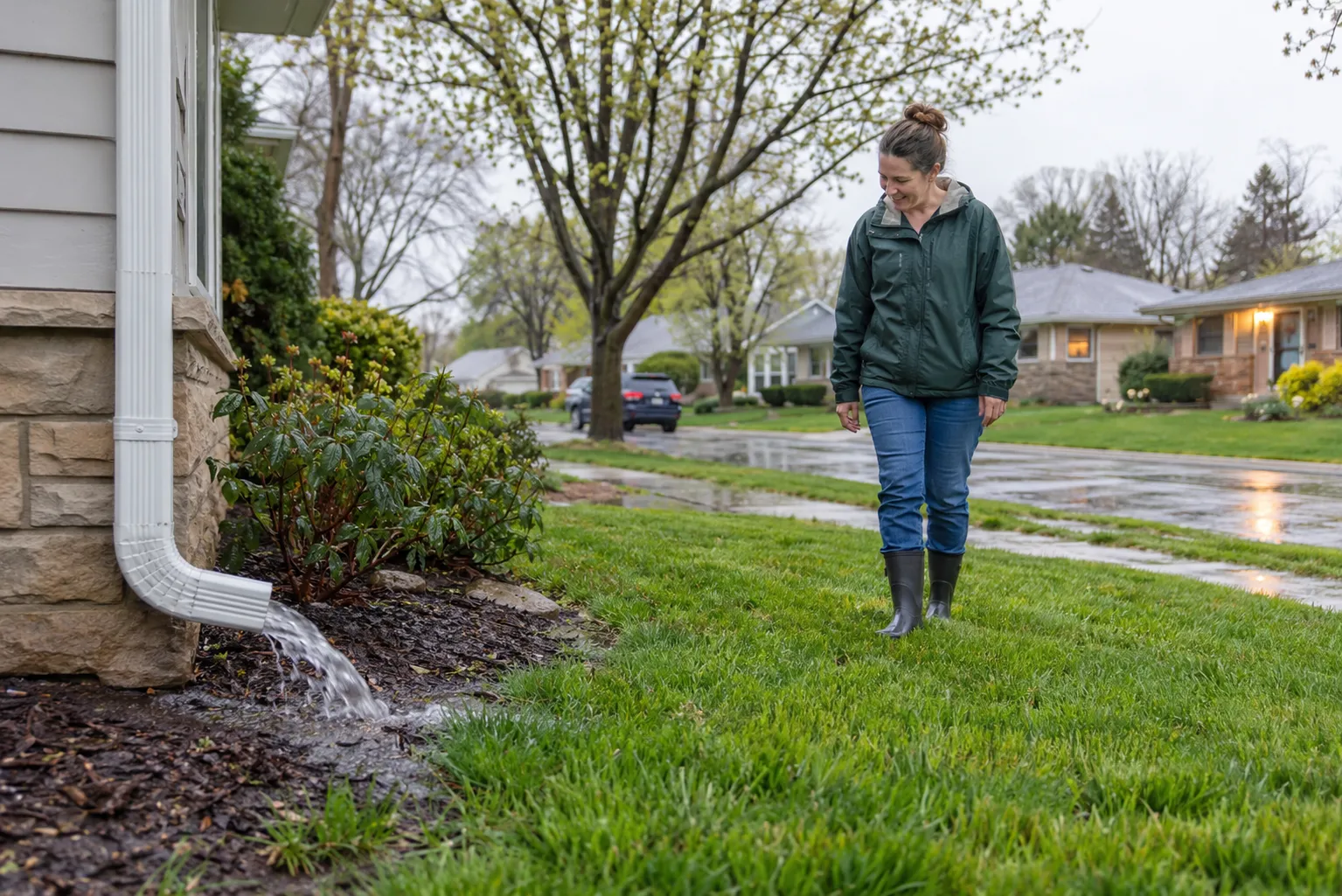
Fix it, then keep it fixed. An inspection that finds mold should also find the water. Leaky roofs, bad grading, and failed sump pumps are common culprits in homes with full basements.
After any repair, keep humidity under about 50 percent. Run a dehumidifier in damp basements. Clean gutters. Vent bathrooms and dryers outside. Check the sump pump each spring, before the thaw and storm season.
Retesting After the Work
Some homeowners ask for a follow-up check once the work is done. It confirms the area is dry and the spores are back to normal levels. Ask the provider if this is worth it for your job.
Request a callback to talk through your options with a provider.
What's Included
Visual Check
The inspector walks the home, looks at likely trouble spots, and notes stains, smells, and damp areas.
Moisture Readings
Meters and thermal cameras help find damp spots hidden behind walls, floors, and ceilings.
Lab Sample Options
Air, surface, or bulk samples go to a lab when testing makes sense.
Written Report
You get findings, likely moisture sources, and clear next steps you can use for quotes.
What Mold Inspection and Testing Costs
Price depends on home size, sample count, and lab fees. These are typical U.S. ranges, not quotes. Every job differs, so ask each provider for a written quote before you agree.
| Item | Typical range | Notes |
|---|---|---|
| Visual inspection only | $300 – $700 | Smaller homes cost less |
| Inspection with moisture mapping | $400 – $900 | Includes meter or thermal camera |
| Single air sample | $75 – $250 | Often paired with an outdoor sample |
| Surface or bulk sample | $50 – $150 | Per sample, lab fee often included |
| Full home testing package | $500 – $1,200 | Several samples plus a report |
| Crawl space or attic add-on | $100 – $400 | Tight spaces take longer |
How It Works
Describe the Problem
Tell us where you see or smell mold and whether there was a recent leak or flood.
Get Matched
We connect you with an independent provider in our network.
Inspection and Testing
The provider checks the home, takes readings, and samples if needed.
Review the Report and Quote
Read the findings and written quote. Ask questions, then choose your next step.
Why Call Laughtribute Mold Help
Local Providers
Independent providers near you can inspect your home and explain what they find in plain terms.
Plain Pricing
We explain what drives cost so quotes make sense before you sign.
Written Quotes
Ask providers for a written quote first. Get it in writing.
No Obligation
Request an estimate and compare. You decide if and when to move forward.
Other Services
Need mold inspection & testing services in Ypsilanti?
Have mold or a musty smell? Request a callback to check provider availability, or send a request. Tell us what you see and a local provider can follow up.
No obligationMold Inspection & Testing Services FAQ
How much does a mold inspection cost?
Typical U.S. prices run from a few hundred dollars for a visual check to over $1,000 for a larger home with several lab samples. Price varies by job, so request a written quote before the visit.
Do I need mold testing if I can see mold?
Not always. If mold is visible, the next step is usually to remove it and fix the moisture. Testing helps when you smell mold but see none, or need a record.
Will my insurance pay for a mold inspection?
Some policies may cover sudden damage, such as a burst pipe. Slow leaks and neglected upkeep are often excluded. Check your policy. Providers can often help document damage for a claim.
Tell us what happened
Have mold or a musty smell? Request a callback to check provider availability, or send a request. Tell us what you see and a local provider can follow up.
No obligation