Laughtribute Mold Help is a referral service. We do not remove mold ourselves. We connect homeowners with independent local providers who handle black mold removal, from testing to cleanup to the final check.
Here is the short version. Black mold is a type of mold that grows on wet materials, often in basements, bathrooms and attics. Scrubbing it yourself can spread spores. Bleach rarely solves it. A provider seals off the area, removes affected material and cleans the rest. Then the real fix begins: stopping the moisture. In the Ypsilanti area, cold winters, humid summers and spring flooding make that step important. Fix it, then keep it fixed. Request a callback to talk through your situation, or request an estimate and compare written quotes.
Found Black Mold? Start Here
Don't scrub it. Don't brush it dry. Disturbing it sends spores into the air.
Do this instead:
- Keep children, pets and anyone with breathing trouble out of the area.
- Close the door. Turn off any fan or HVAC that moves air through that room.
- Stop the water source if you can. Shut a valve, tarp a leak, empty a bucket.
- Take clear photos before anything changes.
Then talk to a provider. Request a callback to check provider availability in Ypsilanti. Many providers can respond quickly.
What Is Black Mold?
"Black mold" usually means a dark, slimy mold that grows on materials that stay wet for a long time. Think soaked drywall, wet wood and damp paper.
Here is the catch. Color alone proves nothing. Plenty of black spots are harmless. Only a lab test names the exact type. That is why a good plan starts with a look and often a sample.
Where Black Mold Shows Up
Mold follows moisture. In homes across the Ypsilanti area, the usual spots are easy to predict.
- Basement walls near the sump pit and along the floor line
- Rim joists, where cold air meets warm, damp air
- Behind paneling or stored boxes against foundation walls
- Bathroom ceilings and around tubs
- Under kitchen and laundry sinks
- Attic roof decking after ice dams or a slow roof leak
Older frame houses, bungalows and ranch homes with full basements often have several of these at once. Spring flooding and humid summers add to the problem.
Why Bleach Usually Isn't Enough
Bleach can lighten a stain on a hard, smooth surface. It does not reach deep into drywall, wood or insulation. The water in it can even feed the roots left behind.
So the stain fades. The mold comes back. Sometimes it comes back worse.
If mold has grown into porous material, that material usually has to go.
How Black Mold Removal Works
Every provider has their own methods. Most follow the same basic order.
Inspect and Plan
The provider finds the mold, checks moisture levels and maps how far it spread. Ask about certified mold testing if you want proof of what you are dealing with.
Contain the Area
Plastic sheeting and negative air keep spores from drifting into clean rooms.
Remove and Clean
Damaged drywall, insulation or trim comes out and is bagged. Hard surfaces get HEPA vacuuming and cleaning.
Dry and Verify
The area is dried fully. Some providers then test the air or surfaces to confirm the job worked.
Fix the Cause First
Removal without a moisture fix is a short-term win. The mold needs water. Take the water away.
Common causes in this region:
- A sump pump that is too weak, old or without a battery backup
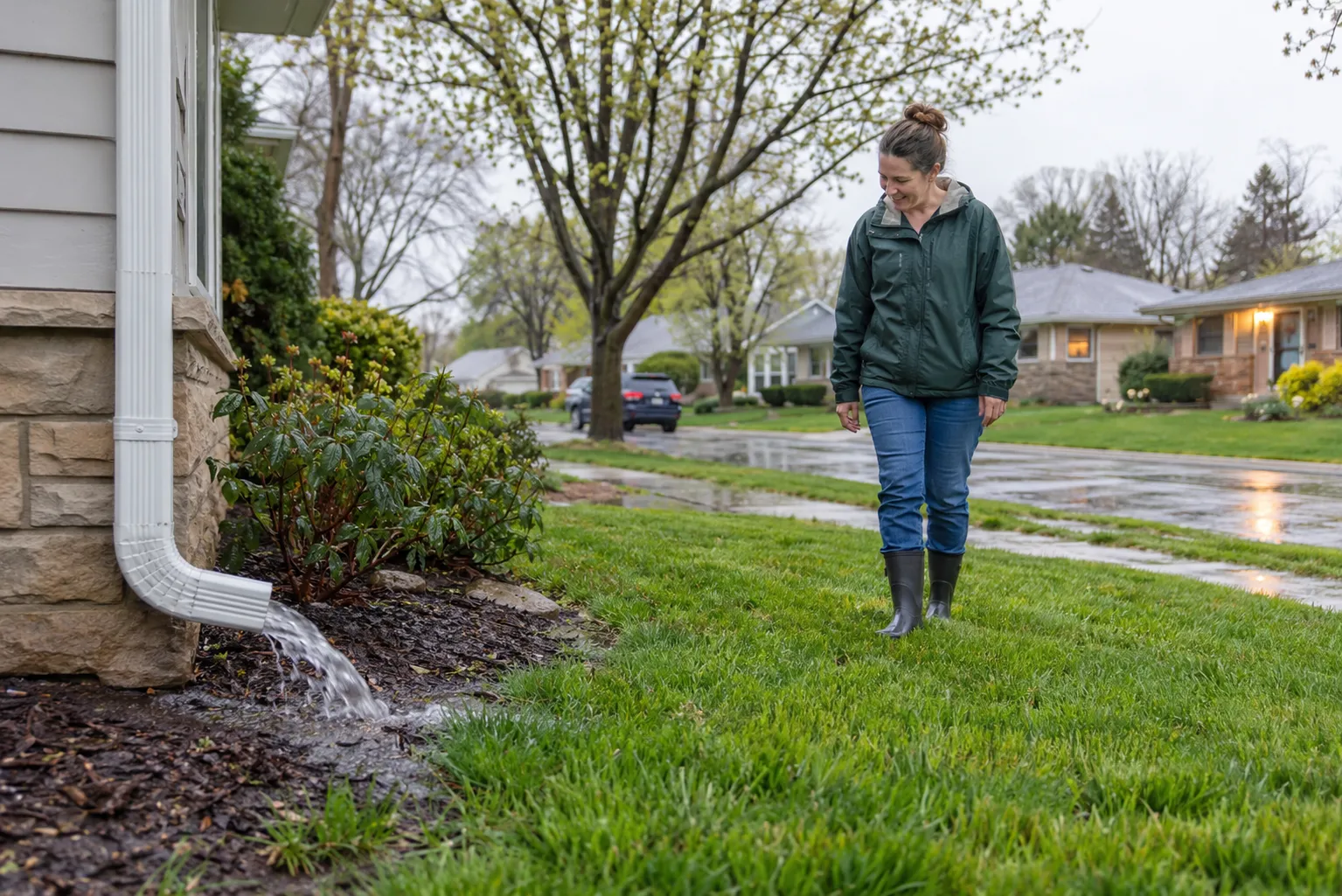
- Gutters that dump water against the foundation
- Soil sloping toward the house
- Foundation cracks that seep after frost and thaw
- Bath fans that vent into the attic, or no fan at all
- Roof leaks and ice dams
A mold provider may handle some of this. Others may refer you to a plumber, roofer or waterproofing pro. Ask who is fixing what, and get it in writing.
Dry Is the Goal
After the work is done, keep indoor humidity under about 50 percent. A cheap hygrometer tells you where you stand.
In a basement, run a dehumidifier through the humid months and empty it or drain it by hose. Keep air moving. Leave space between stored items and the walls.
Keep It From Coming Back
A short routine works better than a big panic later.
- Test the sump pump each spring and after big storms.
- Clean gutters in fall and spring.
- Check under sinks and around the water heater every month.
- Run bath fans during and after showers.
- Look at basement corners and the attic after heavy rain or hail.
- Fix any wet spot within a couple of days.
If you see a musty smell, treat it as a warning. Check for hidden moisture early.
Your Belongings
Hard items like glass, metal and sealed plastic can usually be cleaned. Soft items are harder. Mattresses, upholstery, carpet and cardboard that touched heavy growth are often thrown away.
Photos and papers may be salvageable. Ask the provider what they handle and what you should sort yourself. Wear a mask and gloves if you do.
What Affects the Price
Size is the big one. Then comes what the mold grew on, how hard it is to reach, and how much material has to be replaced. Testing, moisture repairs and rebuilding are often separate line items. See the cost table on this page for typical U.S. ranges.
Prices vary by job. Get a written quote that lists exactly what is included.
Questions to Ask the Provider
- Will you test before and after the work?
- How will you contain the area?
- What is covered in the quote, and what is extra?
- Who handles the moisture repair?
- What licenses or training do you hold for this work?
- What should I do to keep the area dry afterward?
Some insurance policies may cover sudden damage. Check your policy. Providers can often help document damage for a claim.
Ready to Compare Options?
Tell us about the problem and request an estimate. There is no obligation, and you can compare written quotes side by side.
What's Included
Careful Containment Setup
Plastic barriers and air controls help keep spores out of clean rooms.
Removal of Damaged Materials
Soaked drywall, insulation and trim that cannot be cleaned are cut out and bagged.
HEPA Cleanup
Surfaces and framing are vacuumed and cleaned to pick up fine dust and leftover spores.
Drying and Checks
Moisture readings confirm the area is dry. Some providers also offer a follow-up test.
Typical Black Mold Removal Costs
Most jobs fall into a wide range because size, location and materials differ so much. These are typical U.S. ranges only. Ask for a written quote that matches your home.
| Item | Typical range | Notes |
|---|---|---|
| Mold inspection and sampling | $300 – $1,000 | Depends on number of samples and lab fees |
| Small area removal | $500 – $1,500 | One wall section or small bathroom patch |
| Mid-size area removal | $1,500 – $4,000 | A basement wall, ceiling or crawl space section |
| Large or whole-area removal | $4,000 – $10,000+ | Widespread growth or heavy material removal |
| Post-work clearance test | $200 – $600 | Confirms the cleanup worked |
| Moisture fix (sump, drainage, vent) | $500 – $5,000+ | Often quoted separately by another trade |
How It Works
Reach Out
Request a callback to check provider availability, or send the request form with a short note and photos.
Get a Match
We connect you with an independent local provider who handles black mold removal.
Compare Written Quotes
Ask what is included, what is extra and who handles the moisture fix.
Fix It, Then Keep It Dry
After the work, follow a simple upkeep routine to stop mold from returning.
Why Call Laughtribute Mold Help
Referral, Not a Sales Pitch
We connect you with independent providers. You compare options and choose who to hire.
Plain Pricing
Costs are explained in simple terms, and we encourage you to get written quotes first.
Prevention Focus
Removal is only half the job. We point you to providers who talk about stopping moisture.
Local Housing Know-How
Frost, storms and spring floods stress basements here. Providers in the network know these homes.
Other Services
Need black mold removal in Ypsilanti?
Have mold or a musty smell? Request a callback to check provider availability, or send a request. Tell us what you see and a local provider can follow up.
No obligationBlack Mold Removal FAQ
Can I remove black mold myself?
Very small spots on hard surfaces are sometimes manageable with protective gear. Larger areas, or mold on drywall and wood, call for a provider. Scrubbing can spread spores, and the moisture source usually remains.
Is black mold dangerous?
Mold can irritate eyes, skin and lungs, especially for children, older adults and people with asthma. Not every black spot is the toxic type. A test can tell you what it is. Ask a doctor about symptoms.
How do I stop black mold from coming back?
Fix the water source first. Then keep humidity under about 50 percent, run a dehumidifier in damp basements, test your sump pump, clean gutters and use bath fans. Dry is the goal.
Tell us what happened
Have mold or a musty smell? Request a callback to check provider availability, or send a request. Tell us what you see and a local provider can follow up.
No obligation